|
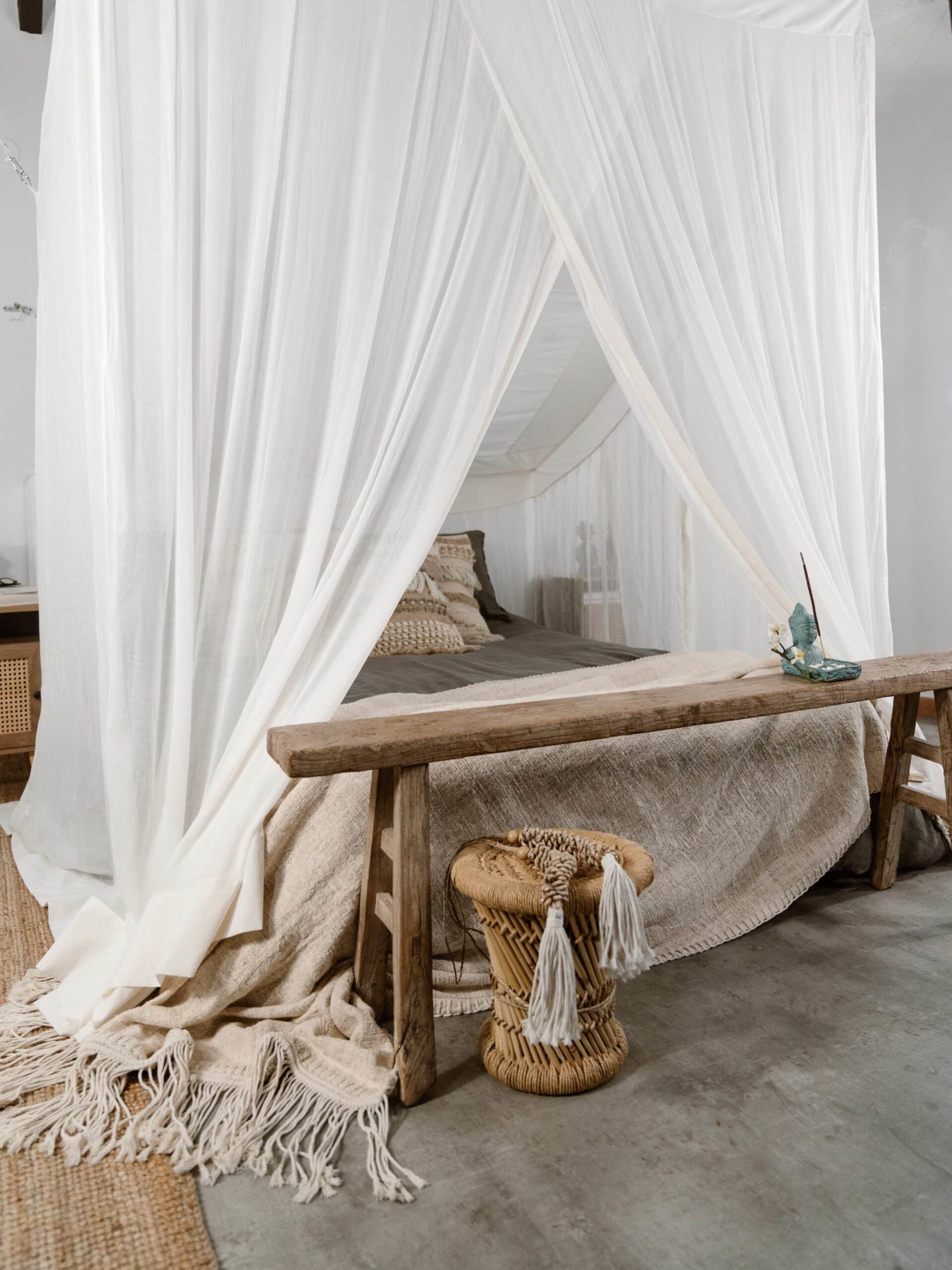
A calm home is rarely the result of one dramatic change. More often, it grows from a series of deliberate choices: softer materials, fewer visual distractions, natural textures and objects that serve a clear purpose. For people who want to combine atmosphere with practical design, Nusarah products offer an example of how functional home accessories can also contribute to a refined, restful interior. The broader idea is simple: when the objects around you are selected with care, a room can feel more balanced without becoming sterile or overly styled. Start with materials that change the feeling of a roomMaterial has a surprisingly strong influence on how a space is experienced. Cotton, canvas and other tactile fabrics soften hard lines and make a bedroom or lounge area feel less rigid. They also add depth without demanding attention in the way that bright patterns or highly decorative objects often do. This is especially noticeable around the bed. A mosquito net, for example, has an obvious practical function, yet its visual effect can be just as important. A lightweight fabric suspended around a sleeping area changes the proportions of the room and creates a sense of enclosure. The result can feel intimate and airy at the same time, particularly when the fabric is finished with simple edges and neutral detailing. Natural materials also tend to age in a way that suits relaxed interiors. Rather than looking perfect only when new, they develop character. That matters in homes where comfort is valued as much as appearance. Practical design does not have to look technicalMany functional products are designed primarily around performance, which can leave aesthetics as an afterthought. Good interior design works differently. It asks whether an object can solve a practical problem while still belonging naturally in the room. Mosquito nets illustrate this balance well. The weave needs to be fine enough to provide effective insect protection, but the material should still allow sufficient airflow. Shape matters too. A round model with a single suspension point creates a different visual effect from a rectangular design attached at several points. The right choice depends on the bed, ceiling height and the amount of space available around the mattress. Rooms with sloping ceilings or angled walls require even more thought. Flexible suspension points can make the difference between a net that looks improvised and one that feels intentionally integrated into the room. Craftsmanship adds value beyond appearanceHandmade production changes the relationship between an object and the space in which it is used. Small variations, careful finishing and attention to construction give products a character that mass-produced alternatives often lack. This is particularly relevant for textile products. Cutting, stitching, reinforcing edges and checking the final shape all influence durability. When those steps are carried out in small batches, there is more room for quality control and for using materials efficiently. It also makes it easier to reduce unnecessary overproduction. Responsible production goes further than the finished object. Reusable cotton storage bags, recycled paper labels and reduced plastic packaging may seem like minor details, but together they reflect a broader design philosophy: the presentation of a product should be considered as carefully as the product itself. Bring the same atmosphere outdoorsThe desire for calm, comfortable spaces does not stop at the back door. Patios, balconies and pergolas increasingly function as extensions of the home, especially during warmer months. Textiles can help these areas feel more sheltered and intentional. Outdoor mosquito nets made from reinforced polyester and finished with sturdy canvas edges are designed for a different environment than delicate indoor fabrics. They need to cope with changing conditions while still remaining visually light. Combined with a hammock, cushions or a simple throw, they can help create an outdoor setting that feels connected to the style of the interior. The same principle applies throughout the home: use fewer objects, but choose them carefully. A well-made textile, a subtle fragrance or a handmade accessory can shape the mood of a room without overwhelming it. Design with longevity in mindA more considered interior is not built around constant replacement. Products that are easy to maintain, store and reuse support a slower approach to decorating. Airing textiles regularly, following appropriate washing instructions and protecting them between seasons can significantly extend their useful life. Longevity also depends on choosing the right product from the beginning. Correct dimensions, suitable materials and a form that fits the architecture of the room reduce the chance that an item will quickly be replaced. When function, craftsmanship and atmosphere are considered together, home design becomes less about following short-lived trends and more about creating a space that continues to feel comfortable over time. |