
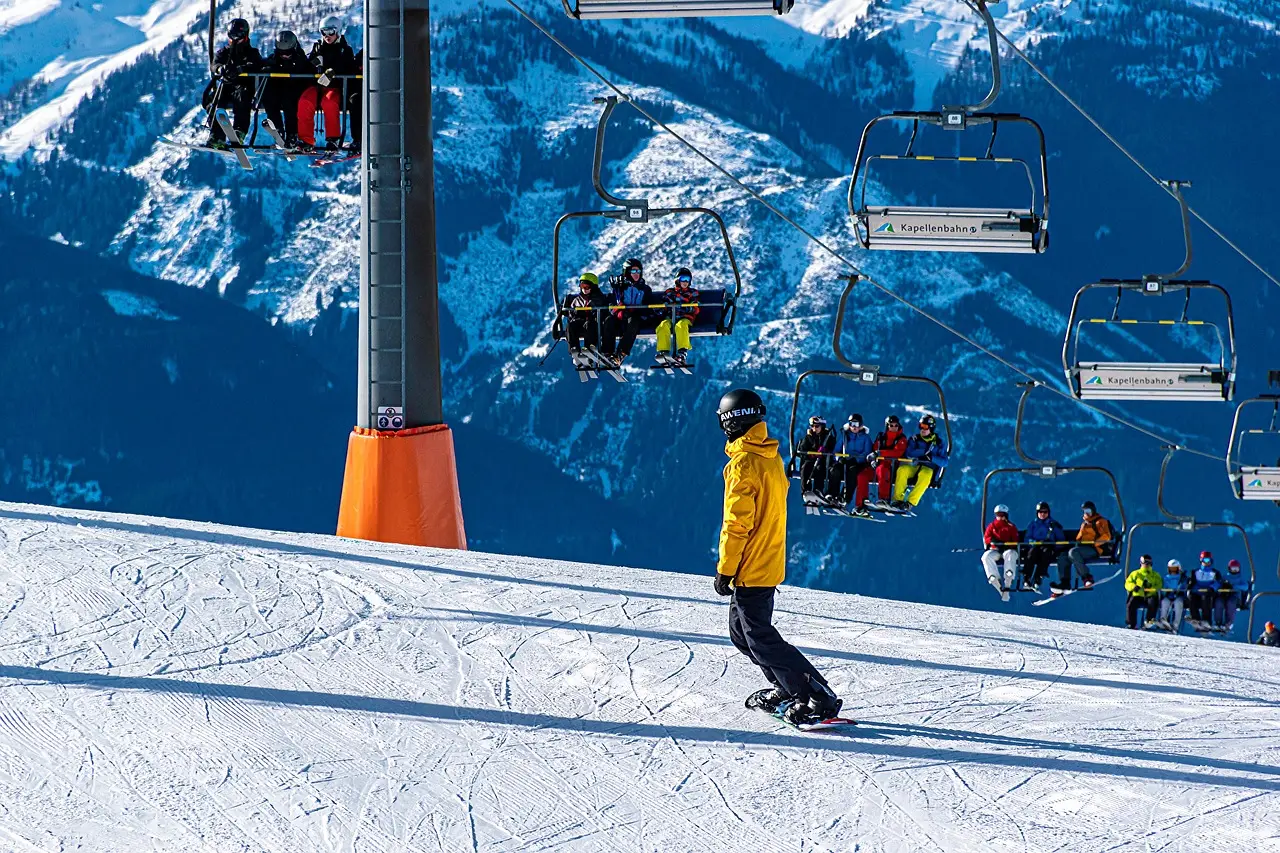
A winter day outside rarely stays the same. You might start in a cold car park, warm up quickly on a hike, then cool down again when you stop for a break. On a ski trip, the chairlift can feel icy, while a few fast runs can leave you overheating. For outdoor workers, the challenge is often the opposite, long periods of standing still followed by short bursts of effort.
That is why more people are looking at temperature regulating clothing. Instead of adding bulky layers, you use smart winter clothing and outdoor gear that can add warmth when you need it, or help you cool down when your body heat rises.
Why heated layers are useful
Heated clothing uses built-in heating panels powered by a rechargeable battery. The benefit is targeted warmth, without needing thick insulation everywhere.
This can be especially helpful for
- Skiers and snowboarders who get cold on lifts
- Cyclists and motorcyclists dealing with wind chill
- People with cold hands or feet on winter walks
- Anyone working outdoors in cold weather apparel all day
A practical example is a morning on the slopes. You can keep a low setting on the lift, then turn it down or off once you are moving. That flexibility is often what makes heated kit feel more natural than simply wearing another jumper.
What to check before you buy heated clothing
Not all heated garments are built the same. When comparing options, focus on everyday usability
- Heat settings that are easy to adjust
- Heat zones where you need them, such as chest, back, or fingers
- Battery placement that does not dig in under a backpack or harness
- Clear washing instructions and durable materials
It also helps to think about how you will layer it. A heated gilet under a shell jacket is a common choice for winter sports and commuting because it keeps your core warm without adding bulk to your arms.
Cooling clothing and sweat control
Cooling clothing is designed for the moments when you are working hard or travelling in warmer conditions. Some pieces focus on breathability and moisture management, while others use cooling fabrics to reduce heat build-up.
If you tend to overheat, look for lightweight outdoor clothing that fits smoothly under your usual layers. Comfort matters, because cooling gear only works well if you actually keep it on.
A quick checklist for choosing the right kit
When you shop online, use specific searches. Terms like heated gloves for skiing, battery heated jacket for outdoor work, or cooling base layer for summer travel will usually bring up more relevant options.
Before you decide, ask yourself
- Which area gets cold first, hands, feet, or core
- Do you need warmth while moving, or mainly when stationary
- Will you wear it under a waterproof shell, workwear, or as an outer layer
Then check the details that affect real-world comfort
- Battery life and whether you want a spare for long days
- Fit and freedom of movement, especially at shoulders and elbows
- Wind resistance for exposed environments
If you want a focused range of warming and cooling options for winter sports, commuting, and outdoor jobs, you can explore specialist temperature control clothing at bertschat.